
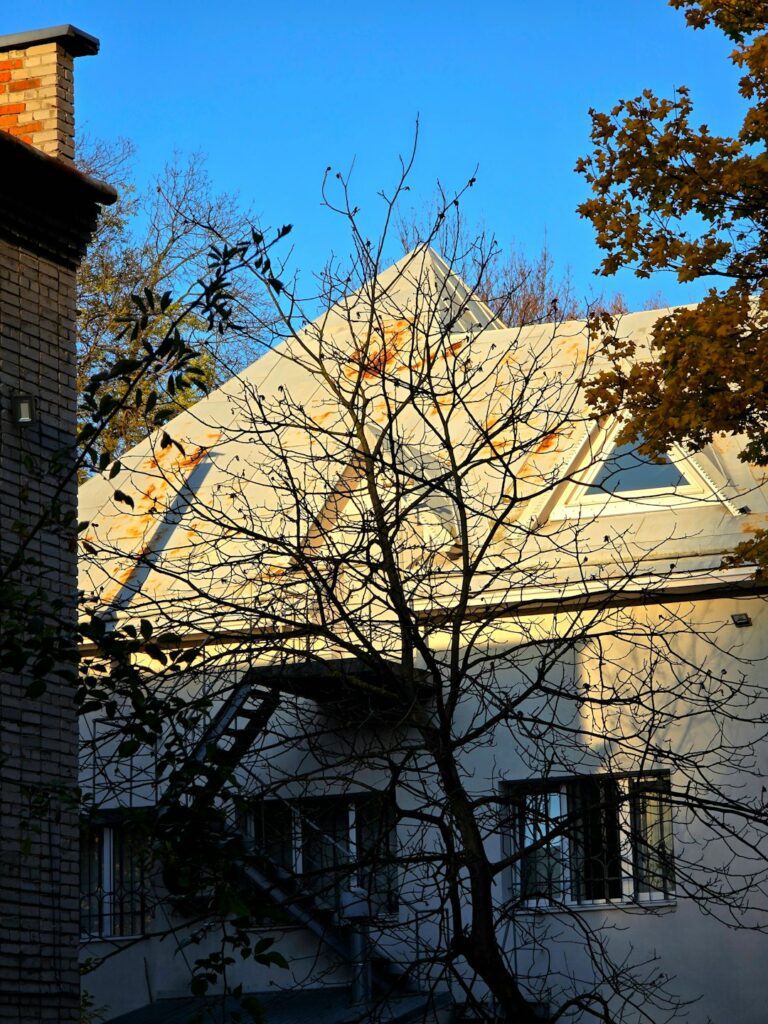
Why Tree Limbs Are a Roofing Concern in Waterford, NY
Tree limbs can damage a roof even when they never fall completely. Repeated rubbing, falling twigs, trapped moisture, and the added weight of snow or ice can gradually weaken roofing materials and create leaks.
Homes in Waterford often have mature trees near established houses, garages, sheds, and driveways. Seasonal weather adds several types of stress: strong winds, wet snow, freezing rain, temperature changes, and heavy branches that become more vulnerable as they age. A limb that appears harmless during calm weather may become a roofing hazard during a storm.
The risk depends on more than distance. A branch may be close enough to strike the roof during high winds, scrape against shingles as it moves, or drop smaller debris into gutters and roof valleys.
How Can a Branch Damage Shingles?
The most common damage is abrasion. A branch that repeatedly touches the roof can wear away the protective surface of asphalt shingles. This may expose the underlying material to sunlight and water, shortening the shingle’s service life.
Common signs include:
- Scraped, cracked, or missing shingle granules
- Shingles that look lifted or curled along one edge
- Exposed dark or fibrous areas beneath the shingle surface
- Small punctures near a branch’s contact point
- A line of wear where the limb moves back and forth
A branch does not need to be large to cause trouble. Narrow limbs can act like stiff brushes in the wind, especially when they contact the same area repeatedly. Bark fragments, twigs, and leaves can also collect on the roof and hold moisture against the roofing surface.
What Happens When a Limb Falls?
A falling limb can cause anything from cosmetic damage to a direct opening in the roof system. The result depends on the limb’s size, height, angle, and the part of the roof it strikes.
Possible damage includes:
- Broken or displaced shingles
- Cracked roof decking
- Damaged flashing around chimneys, vents, or walls
- Bent gutters and downspouts
- Crushed ridge caps or roof vents
- Dents or cracks in skylights
- Damage to soffits, fascia, siding, or trim
A branch that lands across a roof may not create an immediate indoor leak. Water can enter beneath damaged shingles, move along the roof deck, and appear inside several feet away from the original impact. For that reason, a ceiling stain does not always identify the exact location of the roof damage.
Can Small Twigs and Leaves Cause Roof Problems?
Yes. Small debris is less likely to puncture a roof, but it can contribute to drainage and moisture problems.
Leaves and twigs commonly collect in valleys, behind chimneys, around plumbing vents, and near roof edges. When wet, this debris can form dense mats that slow runoff. During freezing weather, trapped water can freeze and expand around roofing components.
Blocked gutters create another problem. Water may spill over the front or back of the gutter, soak fascia boards, or run down exterior walls. In cold conditions, repeated freezing and thawing can also contribute to ice buildup along the roof edge.
Debris beneath tree cover may stay damp longer than exposed roofing. That prolonged moisture can encourage moss or algae growth and make it harder to notice damaged shingles.
Why Are Snow and Ice Especially Important?
Snow and ice can increase the weight carried by tree limbs. A branch that is stable in dry weather may bend or break after freezing rain or wet snow accumulates on it.
Ice also makes branches more brittle and can cause weak, cracked, or partially detached limbs to fall later, sometimes after the storm has ended. Wind may add another force by swinging ice-loaded branches into the roof.
Roof damage can occur from both the limb and the resulting debris. A broken branch may expose the roof to additional water, while smaller pieces can clog gutters or block roof drainage.
Which Trees and Branches Deserve Closer Attention?
Not every nearby tree presents the same level of risk. Pay particular attention to:
- Dead branches with no leaves or visible decay
- Limbs with cracks, splits, or loose bark
- Branches growing directly over a roof
- Limbs that touch shingles, gutters, or siding
- Branches with weak joints or narrow attachment angles
- Trees leaning toward the house
- Large limbs extending from damaged or decaying trunks
- Branches near overhead electrical lines
Evergreen branches can hold snow for long periods, while broad, spreading limbs may collect substantial ice. Older trees may also have hidden decay that is not obvious from the ground.

A limb does not have to be visibly dead to be unsafe. Cracks can develop where branches join, and internal damage may remain hidden until wind or ice exposes it.
How Can Homeowners Check for Trouble Safely?
A ground-level inspection can identify warning signs, but climbing onto a roof or into a damaged tree creates additional risk. Look from the yard or from an upper window for:
- Freshly broken branches
- Bark or shingle debris on the roof
- Branches resting on the roof surface
- New gaps, lifted shingles, or exposed underlayment
- Sagging gutters or damaged downspouts
- Ceiling stains or damp attic insulation
- Daylight visible through the roof deck
- Tree limbs hanging over walkways, doors, or utility lines
After a storm, do not approach a tree that is leaning, split, or entangled with electrical wires. A branch can shift without warning, and downed or sagging lines may remain energized. Large limbs over a structure should not be cut from a ladder or handled with a chainsaw by someone standing on the roof.
What Should Happen After a Limb Hits the Roof?
Safety comes first. Keep people away from the area until unstable branches and electrical hazards have been evaluated. Do not pull a large limb across shingles, because dragging it can cause additional damage.
Once the immediate hazard is controlled, photograph the roof, tree, gutters, and interior signs of water entry. A careful record can help distinguish storm damage from older wear and can be useful for property documentation.
If water is entering the home, place containers beneath active drips and move belongings away from the affected area. Do not cover a roof with a tarp during dangerous weather or while large branches remain unstable. Temporary coverings may also conceal the damage and make later inspection more difficult.
How Can Tree-Related Roof Damage Be Reduced?
Prevention starts with keeping hazardous branches away from the roof before storm season. Routine observation is useful, especially in spring after winter damage and in autumn after leaves reveal the structure of deciduous trees.
Helpful maintenance includes:
- Removing dead or clearly damaged branches before they fall
- Keeping limbs from rubbing against shingles, gutters, and siding
- Watching for trees that lean toward the house
- Keeping roof valleys and gutters clear of accumulated debris
- Checking attic spaces for stains or damp insulation after major storms
- Trimming vegetation away from roof vents and drainage areas
- Reassessing mature trees after construction, excavation, or root damage
Large branches, trees near power lines, and storm-damaged trees require specialized safety judgment. The combination of height, tension, unstable wood, and nearby structures makes this type of work hazardous.
A roof inspection is particularly useful after a substantial limb strike, even if no leak is visible. Damage to shingles, flashing, decking, or roof edges may remain hidden until the next period of rain, snow, or freezing weather.
