
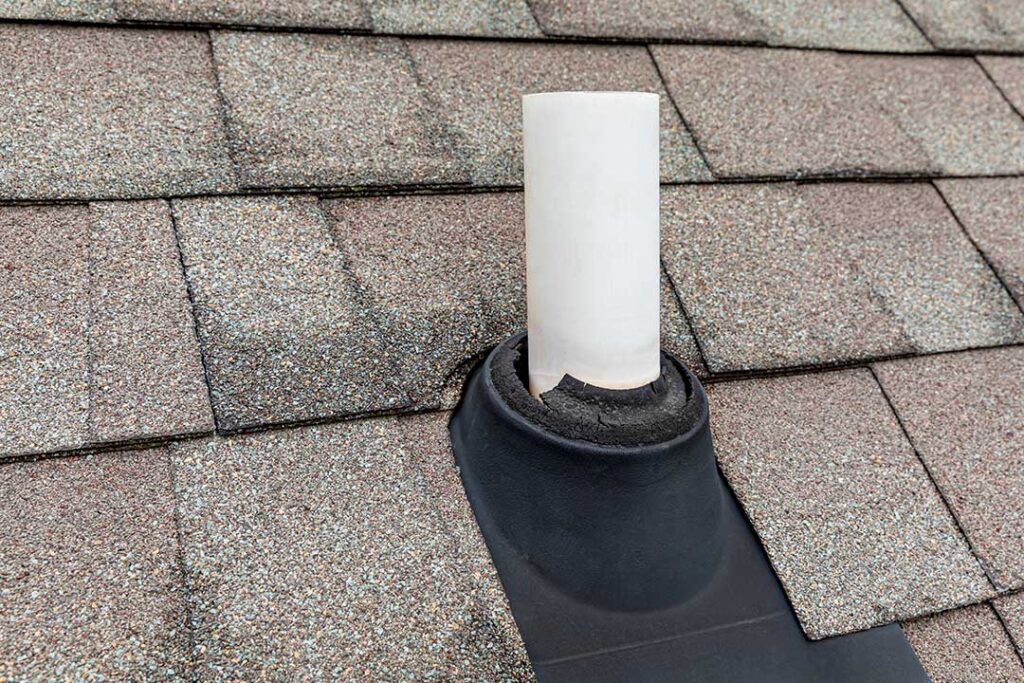
Why Clean Your Roof in Waterford, NY?
Roof cleaning protects your home’s value by helping to prevent damage and preserve curb appeal. Waterford’s seasonal weather—snowy winters, humid summers, and leafy autumns—means roofs are exposed to moisture, tree debris, and algae. Regular maintenance is a practical part of home care in the region.
Beyond aesthetics, an uncleaned roof in the city may see:
- Moss or lichens retaining moisture, leading to shingle decay
- Organic debris blocking gutters and downspouts
- Algae stains, which can speed up wear on shingles
- Reduced energy efficiency due to darkened, heat-absorbing surfaces
Is Roof Cleaning Dangerous?
Roof cleaning involves risks, mainly slips and falls. The surface can be steeper or more slippery than it appears, especially after rain or when moss is present. Even single-story homes in Waterford may pose hazards because of local roof pitch styles or the use of aged, worn shingles.
Less obvious dangers include:
- Power lines close to the house
- Unstable ladders placed in damp or uneven yards
- Handling cleaning solutions, which can be hazardous if misused
Any resident uncomfortable with heights, unsafe roof angles, or large accumulations of moss should avoid climbing onto their roof. Otherwise, safe do-it-yourself cleaning is possible with the right preparation.
What Supplies and Tools Are Best?
A gentle approach best suits area homes, especially those with asphalt, tile, or metal roofs commonly found in Waterford. Harsh, high-pressure methods or strong chemicals can damage roofing materials or harm plants.
Basic supplies include:
- A sturdy extension ladder rated for your weight
- Non-slip shoes with good tread
- Soft-bristle brush or a long-handled roof brush
- Garden hose with spray nozzle (not a power washer)
- Low-strength cleaning solution (such as a 50/50 mix of water and white vinegar, or specific roof-wash products approved for shingle use)
- Plastic sheeting or tarps to protect landscaping below
Gloves, safety goggles, and protective clothing are smart for anyone mixing or spraying solutions overhead.
When Is the Best Time to Clean a Roof in the Community?
Late spring to early fall is ideal for safe, effective roof cleaning. The roof should be dry, and local temperatures moderate—ideally between 50°F and 75°F. In Waterford, this window avoids icy spring mornings and autumn leaf drop while ensuring surfaces aren’t dangerously hot or slick.
Avoid cleaning during:
- Wet or windy days
- Extreme heat (which dries cleaning solutions too quickly)
- Tree pollen season, which might re-soil roof surfaces
How Do You Clean a Roof Without Harming It?
The first step is always to clear loose branches, debris, and leaves by hand or with a soft brush—never with a pressure washer, which can strip granules or force water beneath shingles.
Umbrella guidance:
- Sweep gently down the roof slope; never scrub upwards against the shingle grain.
- For stains or biological growth, apply your cleaning solution from the ridge downward using a sprayer.
- Let the solution soak for 15-20 minutes, reapplying in dry spots.
- Rinse thoroughly with a garden hose, starting at the top and letting water flow down naturally.
Inspect gutters while you work, removing blockages and ensuring downspouts flow freely. Any evidence of cracked shingles, flashing damage, or nail pops merits further inspection (ideally from the ground using binoculars).
Which Roof Cleaning Methods Should Be Avoided?
Some products and methods commonly discussed online can be too harsh for homes in the area. Avoid:
- Bleach-only solutions—these can streak siding, damage plants, and degrade roof materials if not carefully rinsed
- Power washing—can lift shingles, force water below roofing, and void material warranties
- Abrasive scrubbing pads, wire brushes, or rough brushing
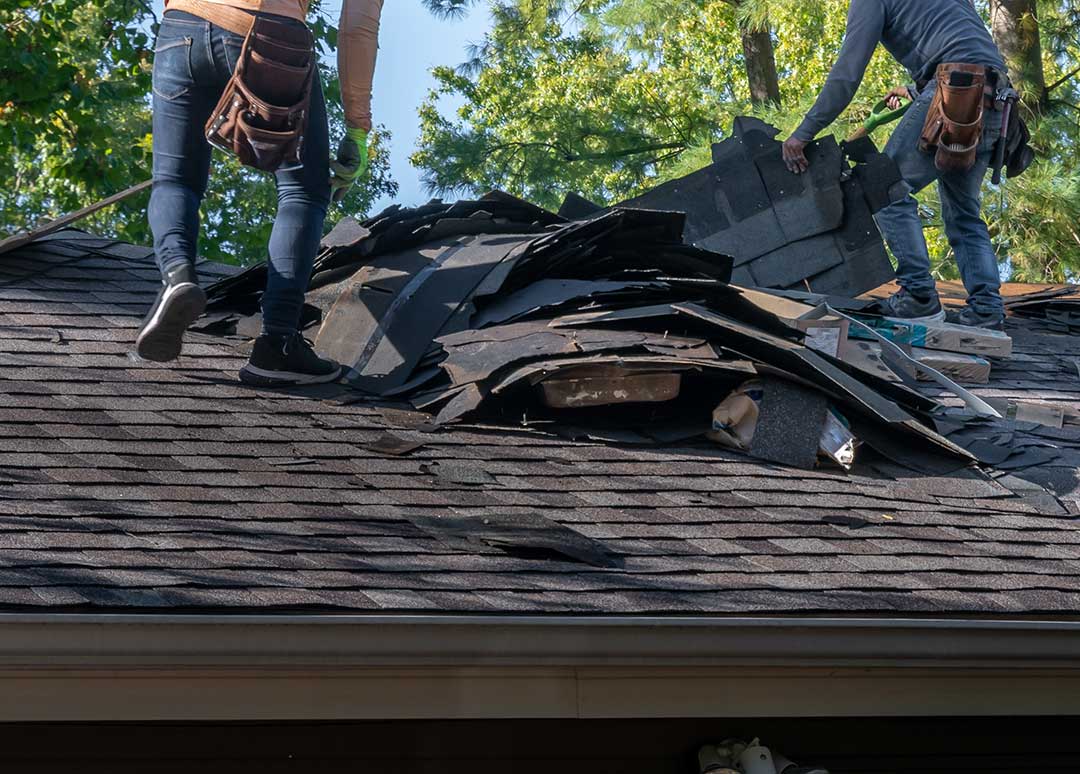
Old myths about “scraping off” moss or using household detergents often make things worse by damaging shingles or leaving residues that encourage regrowth.
How Does Waterford’s Climate Influence Roof Care?
Waterford residents see substantial tree canopy cover—especially maples and oaks—which means roofs are more prone to shade, leaf litter, and seed debris. That shade creates favorable conditions for moss and algae. Moisture from spring rains, combined with slow winter thaw, provides an extended window for biological growth.
Frequent freeze-thaw cycles can push growth under shingles, so periodic inspection—twice a year, if possible—helps catch issues early. After major storms or periods of strong wind, check for new accumulations of debris.
Can Cleaning Solutions Harm Local Plants, Lawns, or Waterways?
Many standard roof-cleaning mixtures can affect garden beds, shrubs, and lawn areas if runoff is not managed. Some roof-cleaning chemicals are not safe for storm drains or local streams. Before cleaning:
- Cover all sensitive plants or shrubs with plastic sheeting
- Disconnect or divert downspouts temporarily, allowing rinse water to settle and dilute
- Use only the minimum necessary amount of any cleaning product, and choose eco-friendly formulas when available
Disposing of leftover solutions responsibly prevents accidental harm to local soils, lawns, and waterways.
What Are Common Mistakes Homeowners Make?
Some of the most frequent missteps in local roof cleaning include:
- Underestimating the pitch or slipperiness of the roof
- Waiting too long between cleanings, making moss removal far more difficult
- Overusing water or aggressive cleaning methods
- Forgetting to safeguard gutters, landscaping, or garden beds
- Overlooking minor shingle or flashing damage found during cleaning
Regular, gentle cleaning is less risky and more effective than rarely attempting a deep clean.
What Are Signs You Shouldn’t Attempt Roof Cleaning Yourself?
Certain situations call for special caution. If you notice:
- Roofs steeper than a 6/12 pitch (about 26.5°) or with multiple stories
- Severe moss buildup or persistent leaks
- Signs of structural roof damage, such as sagging or soft spots
- Proximity to high-voltage power lines
It’s usually safest to leave the work to those with appropriate safety equipment and experience. Even seasoned DIYers in the community sometimes underestimate the risk of falls or slips during roof cleaning, especially with older roof structures or complex layouts.
