
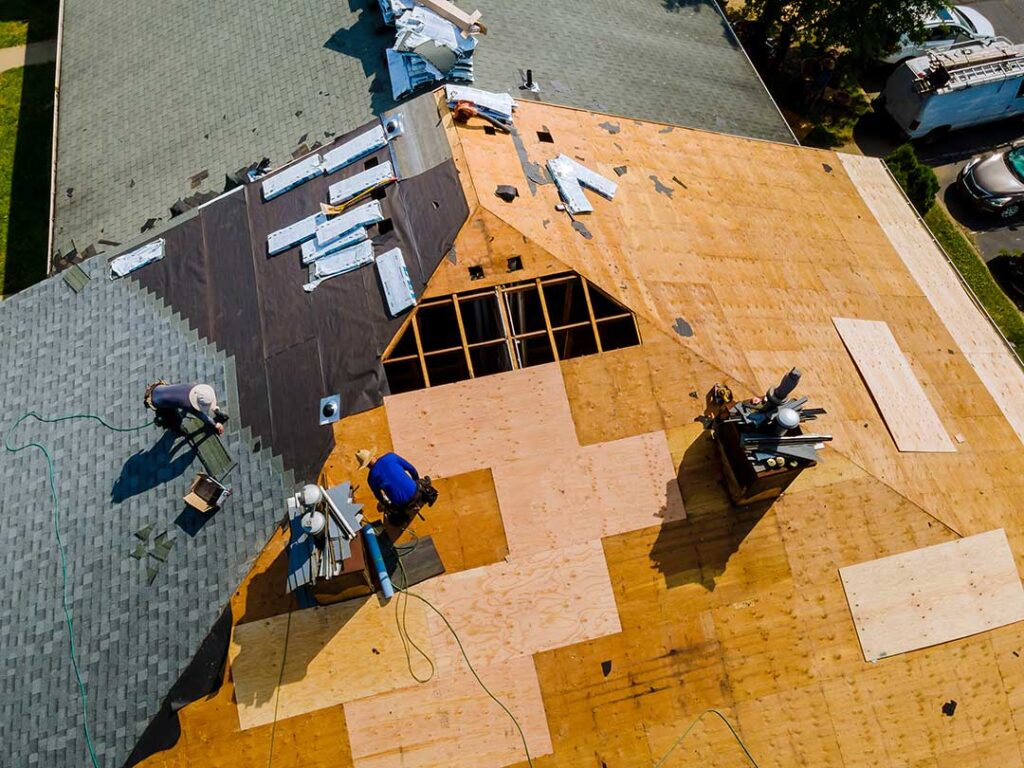
Why Do Roofs in Waterford, NY Need Special Attention?
Roofs in Waterford, NY experience a wide range of conditions: humid summers, snowy winters, temperature swings, and the occasional Nor’easter. These factors make regular roof upkeep more important than in milder regions. Local roofs are often asphalt shingle, but some homes use slate or metal; all styles can benefit from careful care. Even newer roofs can lose years from their expected lifespan if neglected.
How Often Should Residents Inspect Their Roof?
Ideally, visually check your roof twice a year—once every spring after snow and ice have melted, and again in autumn before winter sets in. High winds and heavy snow typical of Waterford winters can shift shingles and open pathways for leaks. In addition to these regular checks, take a careful look after strong storms, even if you don’t spot leaks inside.
Walk around your home and look for:
- Shingles that are curling, cracked, or missing
- Granules collecting in gutters (these shield shingles from UV damage)
- Rust or corrosion on flashing around chimneys, skylights, or vents
- Debris or moss build-up, especially near roof edges and valleys
Binoculars work well for spotting trouble from the ground. Residents should avoid climbing onto the roof due to fall risks; leave that level of inspection to a qualified professional if issues are suspected.
What Simple Preventive Actions Can Extend Roof Life?
Small maintenance steps go a long way—especially in a climate like Waterford’s.
- Keep Gutters Clear: Clogged gutters are a top cause of roof leaks in the area. Overflow can soak roof edges, causing rot and ice dams. Clean gutters and downspouts at least twice a year, more if large trees are around.
- Trim Overhanging Branches: Limbs can scrape roof surfaces and drop leaves, accelerating deterioration. Trim tree branches back several feet from the roofline where possible.
- Remove Moss and Algae Promptly: Shaded North-facing sections may develop moss or algae. These organisms hold moisture and can break down shingles. Use a gentle brush and rinse; chemical treatments aren’t always needed and may harm nearby plants.
- Check Attic Ventilation: Poor airflow in the attic allows heat and moisture to build up, aging roof materials prematurely and leading to ice dams. Make sure soffit and ridge vents are not blocked by insulation or debris.
- Look for Signs of Animal Activity: In Waterford, squirrels and birds sometimes nest under loose shingles or in attic gaps. Early removal of nests stops minor roof damage from becoming major.
How Does Local Weather Affect Roof Longevity?
Waterford sees freeze-thaw cycles, snow, ice, and periods of heavy rain each year. These stress roof components in several ways:
- Ice Dams: Melting snow refreezes at the eaves, preventing water from draining and forcing it under shingles. Adequate attic insulation and ventilation can reduce the risk. Rake snow from the lower three feet of the roof after heavy snowfalls, but use specialized roof rakes from the ground.
- Wind: Gusty storms can lift or break shingles, especially at edges and ridges. Damage is often hidden; regular inspections are the best prevention.
- UV Exposure: Summer sun weakens shingle asphalt and dries out sealants. While this is a slow process, roofs exposed to full sun on south and west-facing slopes may age faster in the region.

When Should Leaks or Damage Be Addressed?
Even seemingly minor leaks can cause mold growth, insulation damage, and costly rot in Waterford’s humid summers and wet springs. Address leaks as soon as spotted—delaying even a few weeks may turn a small patch into a far wider problem. Quick fixes like caulk or tar can buy a little time, but full repairs will be needed if shingles or flashing have failed.
Watch for:
- Discolored spots on interior ceilings or walls
- Damp insulation or puddles in attics after rain
- Peeling paint at upper walls (a sign of roof moisture)
Most repairs should be done when the roof is dry and outdoor temperatures are above freezing to ensure that adhesive and sealants cure properly.
Are There Local Factors That Influence Roof Maintenance Needs?
Waterford is close to the Mohawk and Hudson Rivers, so homes may experience more humidity and fog than towns farther inland. This can speed moss and algae growth, especially on northern roof slopes. Also, older properties in historic neighborhoods may have slate or wood roofs, which require specialized attention compared to more common asphalt shingles.
Historic districts may have specific requirements or restrictions regarding repairs or material changes—residents should confirm guidelines before making extensive changes to visible portions of older homes.
What Are Common Myths About Roof Care in Waterford?
Some local homeowners believe that roofs last just as long regardless of maintenance, or that new roofs are “worry-free” for decades. In reality, lack of attention often cuts years off a roof’s life, and small leaks or missing shingles in winter can spiral into larger interior repairs. Similarly, “sealing” a roof with coatings or paint rarely offers long-term benefits unless recommended by the manufacturer for the exact roof style and material.
Regular observation and prompt small fixes—rather than major, infrequent overhauls—are usually more effective for families in the community’s tree-lined neighborhoods.
How Can Residents Plan for Long-Term Roof Health?
Keep records of all maintenance, repairs, and warranties. Save photos from inspections and note dates of major storms. Knowing your roof’s age and repair history is helpful for insurance claims, potential sales, and planning future work. If unsure about your home’s specific roof material or construction, the county property assessment database can sometimes offer clues based on building permits or tax records.
Seasonal habits develop over time. For Waterford households, adding “roof check” to spring and fall maintenance routines—alongside leaf raking, gutter cleaning, and HVAC checks—can add years to roof life and offer peace of mind through the area’s unpredictable seasons.
