
How Does Climate in Waterford, NY Affect Roofing Material Choices?
Local weather is a major factor for area homeowners deciding on roofing. Waterford, NY experiences all four seasons, with cold winters, hot and humid summers, and the potential for heavy rain or snow. Some roofing types hold up better against moisture, ice, or rapid temperature changes, while others may face accelerated wear. Homes here require materials that withstand seasonal shifts, regular freeze-thaw cycles, and occasional storms.
What Are the Most Common Roofing Options in Waterford?
The majority of local roofs are clad in asphalt shingles, but metal, slate, and wood are also seen. Each brings a unique mix of benefits and limitations relevant to local conditions.
Asphalt Shingles: Why Are They So Widespread?
Asphalt shingles are prevalent because they balance affordability with adequate durability for the local climate. They typically last 15–30 years.
Pros:
- Moderate upfront cost and easy availability
- Decent weather resistance when installed correctly
- Broad range of colors to match various neighborhood styles
Cons:
- Can be vulnerable to damage from wind uplift or sudden temperature swings, which aren’t rare in Waterford’s transitional seasons
- Less lifespan than higher-end materials, especially if attic ventilation is poor
- Moss or algae growth can occur in shaded locations with consistent dampness
Some residents mistakenly assume all asphalt shingles are identical. Quality differences can be significant. Local homes near the river or on older streets may have higher humidity, which requires algae-resistant options.
Metal Roofing: Is It Worth the Investment for Local Homes?
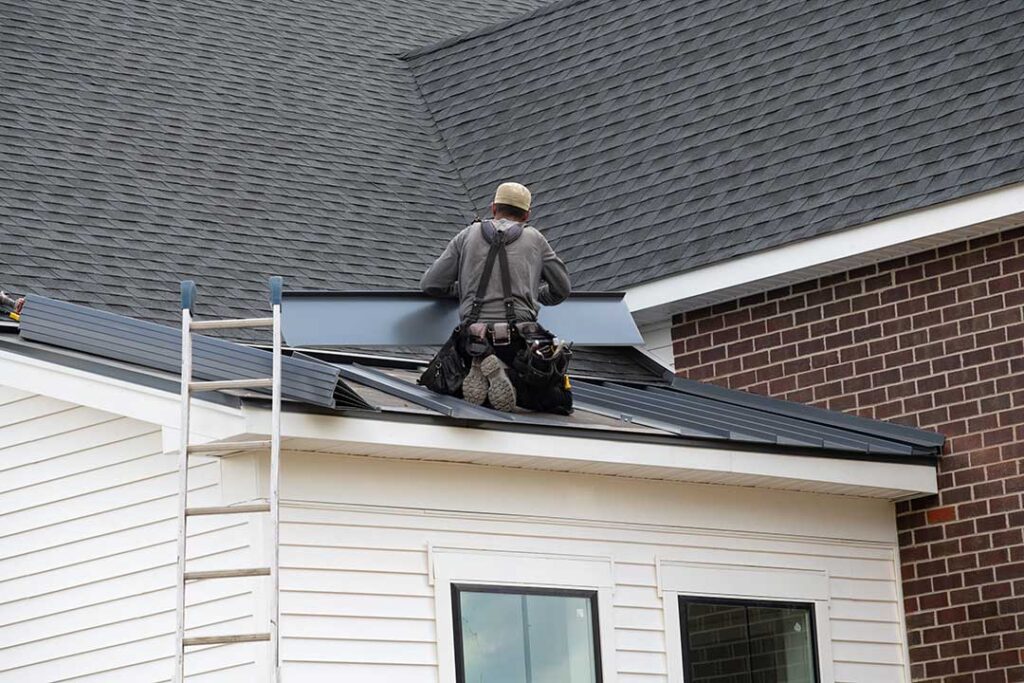
Metal roofs are becoming more popular in the region due to notable performance advantages.
Benefits:
- Long life expectancy—40+ years if properly maintained
- Excellent at shedding snow, reducing ice dams after winter snowfalls
- Fire-resistant and impervious to rot or insect damage
Limitations:
- Higher upfront cost compared to shingles, which may not suit all budgets
- Can be noisier in heavy rain or hail unless insulation is adequate
- Some homeowner associations or historic districts may have restrictions on metal roof styles or finishes
A frequent misconception is that metal roofs make homes colder in winter. In reality, their reflectivity primarily impacts summer heat, and insulation matters more for year-round comfort.
Slate and Tile: How Do They Hold Up in Waterford?
Slate and clay tile are seen on historic or architect-designed homes.
Strengths:
- Very long lifespan (often 75-100 years)
- Strong resistance to freeze-thaw cycles when properly installed
- Adds a distinctive historic or upscale aesthetic fitting many streetscapes
Weaknesses:
- Among the heaviest materials, requiring a sturdy roof structure—many Waterford homes built before the 1960s may need structural reinforcement
- High initial and repair costs
- May crack or break if walked on, complicating maintenance after ice storms or branch falls
These materials work best for homeowners committed to long-term investment in both appearance and performance.
Wood Shakes and Shingles: Are They Practical with Local Weather?
Wood was historically common, especially in older neighborhoods. Today, wood shakes and shingles provide natural appeal and blend with the tree-filled scenery seen throughout Waterford.
Merits:
- Natural look fits well in the area’s leafy settings and under local preservation guidelines
- Decent insulative value
Drawbacks:
- Vulnerable to rot, particularly in sections of the city with slow-drying shade or higher humidity
- Can require regular treatment to resist moss, insects, and fire
- Possible insurance implications, given higher flammability compared to non-wood options
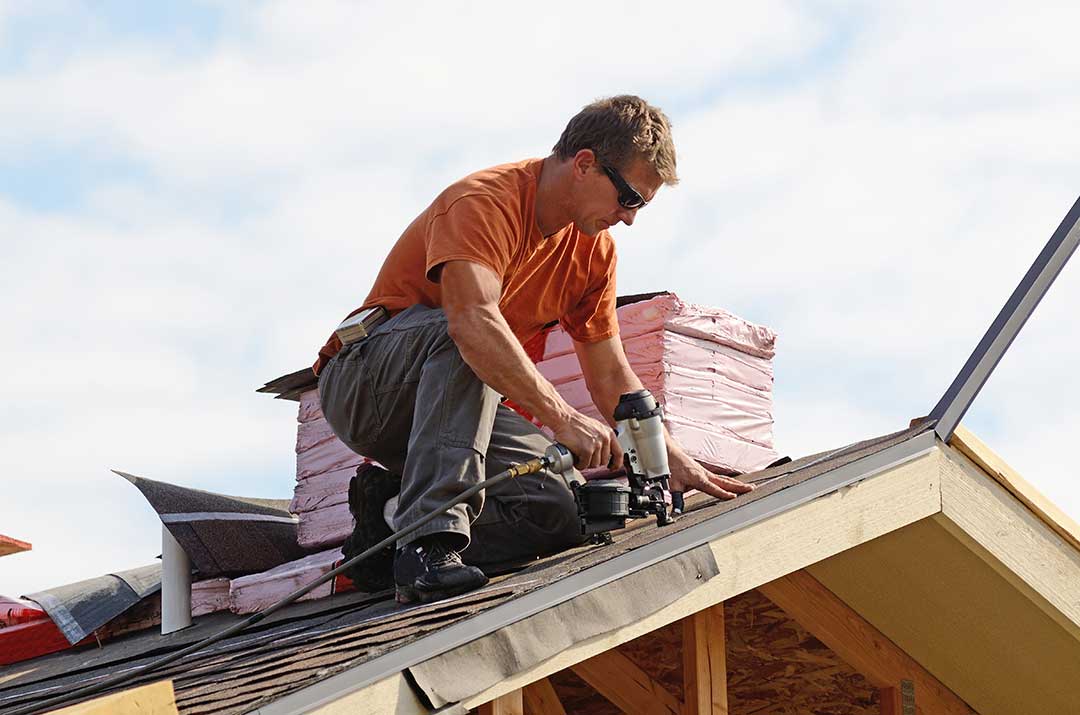
Some residents believe cedar shakes will last indefinitely, but local precipitation and freeze cycles mean that wood can require replacement or extensive repairs every 20-30 years.
Synthetic Roofing Options: Are They a Wise Choice?
Engineered shingles or tiles made from rubber, plastic, or composite emulate slate, wood, or traditional asphalt. They are newer to the market but have gained interest due to their balance of appearance and practicality.
Upsides:
- Lighter weight than slate or clay, reducing risk for older homes
- Some versions are made to be highly impact-resistant—important during hail or falling branches
- Can be designed for easy installation and longer life
Potential Downsides:
- Some products have limited track record, so long-term performance in Waterford’s climate is still being evaluated
- Not all synthetic roofing qualifies for historic or HOA approval
- Extreme temperatures can affect certain plastics
These materials may appeal to homeowners seeking an innovative solution without dramatically altering the home’s look.
What Factors Should Residents Consider Beyond Material Features?
Choosing a roof for a local home goes beyond just price or color.
- Snow Load & Ice Dams: Heavier materials or those that shed snow well can prevent issues common in local winters.
- Historic District Guidelines: Certain neighborhoods may restrict color or material choice to preserve original architecture.
- Moss & Shade: Shady streets or north-facing slopes on Waterford’s older homes mean moss-resistant options are sometimes preferable.
- Budget for Maintenance: Some roofing types require notable upkeep or occasional cleaning to stay in good shape.
- Home Structure: Heavier materials may not suit every home, especially older frames or additions.
Mismatched choices—such as heavy slate on a lightweight, older house—can lead to costly structural problems.
How Do Lifespan and Maintenance Compare Across Roofing Types?
Lifespan and upkeep vary dramatically.
- Asphalt shingles: 15–30 years, with periodic replacement of damaged tabs or moss cleaning
- Metal: 40+ years, occasional fastener checks or protective coating renewal
- Slate/tile: 75–100 years, but spot repairs after hail or frost damage may be expensive
- Wood shakes: 20–30 years, with regular cleaning and sealing
- Synthetic: 20–50 years, depending on specific product and exposure
Not all homeowners account for ongoing tasks such as cleaning gutters, inspecting after storms, or treating for algae, which can extend a roof’s useful life and reduce the chance of leaks.
Are There Common Misconceptions About Roofing in This Area?
Many believe all new roofs last the same or that a pricier product guarantees no maintenance. In reality, local climate and installation quality have a lasting impact. An inexpensive roof installed with high-quality practices can outperform a premium option applied poorly or without adaptation for Waterford’s particular conditions.
Another misconception is assuming warranties cover everything—many only address defects, not weather-related wear. Homeowners should balance initial investment with the real needs and challenges of their home and surroundings.
