
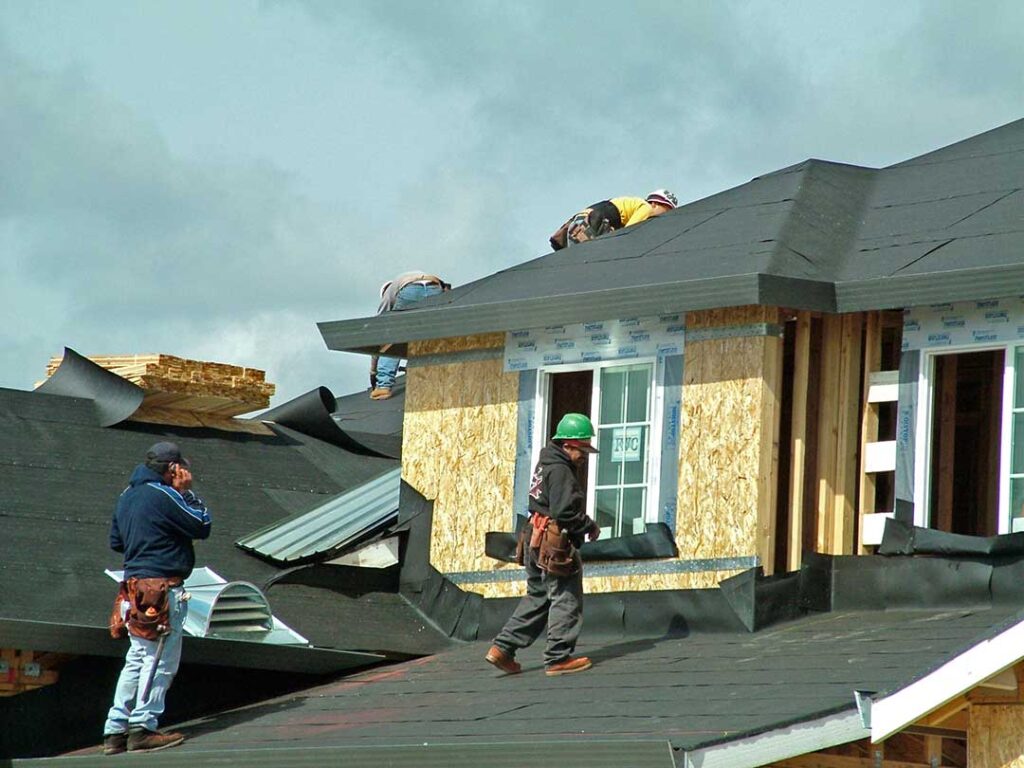
Preparing a roof for winter in Waterford, NY starts with addressing small defects before snow, ice, wind, and repeated freeze-thaw cycles make them worse. A seasonal inspection should focus on drainage, shingles, flashing, attic conditions, and areas where moisture can enter the home.
What should be checked before winter?
The most useful pre-winter roof check is a careful review of the roof surface, edges, drainage system, and attic. Some problems are easy to spot from the ground, while others require a closer inspection from a safe location.
Look for:
- Missing, cracked, curled, or loose shingles
- Exposed roofing underlayment or bare areas
- Damaged flashing around chimneys, vents, skylights, and wall intersections
- Sagging roof sections or visibly uneven roof lines
- Excessive granules collecting near downspouts
- Moss or organic growth holding moisture against roofing materials
- Loose or deteriorated trim along roof edges
- Water stains, damp insulation, or musty odors in the attic
A few damaged shingles may seem minor in autumn, but winter weather can enlarge openings. Wind can lift weakened materials, and melting snow can reach areas that remain dry during ordinary rain.
Why do gutters and downspouts matter in winter?
Gutters and downspouts help move rainwater and melting snow away from the roof and foundation. If they are blocked, water may back up beneath roof edges, freeze, or spill against siding and masonry.
Before freezing weather arrives, remove leaves, twigs, roof granules, and other debris from the gutters. Check that downspouts discharge far enough away from the foundation and that water is not pooling beside the house.
Also inspect:
- Loose gutter sections
- Sagging areas that hold water
- Separated joints
- Downspouts blocked below the visible opening
- Splashing or overflow marks on exterior walls
Gutters should not be used as a substitute for proper roof drainage design. If a roof valley repeatedly dumps water into one small section, that location may need closer evaluation before winter.
How can ice dams be reduced?
Ice dams form when heat escapes into the attic and warms the underside of the roof. Snow melts on the warmer upper roof surface, then refreezes near the colder eaves. The resulting ice can block drainage and allow water to move beneath shingles.
The main strategy is to keep the roof surface and attic floor closer to the same cold temperature. That requires both adequate insulation and balanced ventilation.
Useful measures include:
- Checking attic insulation for thin or uneven areas
- Sealing openings around light fixtures, pipes, wiring, and attic access panels
- Confirming that soffit and ridge or other high-level vents are not blocked
- Keeping bathroom and kitchen exhaust fans vented outdoors rather than into the attic
- Making sure attic insulation does not cover ventilation paths at the eaves
Heating cables are not a cure for poor insulation or ventilation. They may be appropriate in limited situations, but they must be installed and operated according to safety instructions. Never use open flame, sharp tools, or improvised methods to remove roof ice.
Should snow be removed from the roof?
Not every snowy roof needs to be cleared. Many residential roofs are designed to carry ordinary seasonal snow, but unusually deep, wet, or drifting snow can create additional load.
Pay attention to warning signs such as:
- New sagging in the roof or ceiling
- Sticking interior doors caused by structural movement
- Cracks in ceilings or walls
- Unusual popping or creaking sounds
- Large snow drifts concentrated over one area
- Water entering around ceilings, walls, or light fixtures
Snow removal from a roof can be dangerous because shingles become slippery and falling snow or ice can injure people below. Walking on the roof may also damage roofing materials. If snow must be removed because of a serious load or access concern, the work should be handled under conditions that protect both people and the roof.
Do not use a metal shovel, pick, or other sharp tool that can cut shingles. Avoid standing beneath roof edges where snow or ice may fall unexpectedly.
What should homeowners inspect in the attic?
The attic often reveals winter problems before they appear inside living areas. Inspect the underside of the roof deck after heavy rain or during a thaw, looking for damp wood, dark staining, frost, or active drips.
Frost on nails or roof framing may indicate that warm, moist indoor air is reaching the attic. During a later thaw, that frost can melt and contribute to moisture damage or mold growth.
Check that:
- Insulation is dry and evenly distributed
- Ventilation openings are unobstructed
- No roof sheathing feels soft or deteriorated
- Exhaust ducts are intact and directed outdoors
- Plumbing or mechanical penetrations are sealed where appropriate
- The attic access panel closes tightly
A small amount of condensation during a very cold period may not mean the roof is failing, but repeated frost, damp insulation, or staining deserves attention.
How should roof penetrations be prepared?
Chimneys, plumbing vents, skylights, satellite-related penetrations, and other roof openings are common locations for leaks. Before winter, inspect the visible flashing and surrounding materials for gaps, lifted edges, rust, or cracked sealant.
Sealant alone is not a permanent replacement for correctly installed flashing. If water has entered around a penetration, the source may be higher on the roof than the interior stain suggests. Water can travel along rafters, roof decking, insulation, or framing before becoming visible.
Chimneys should also be checked for deteriorated masonry, loose caps, and damaged flashing. Any appliance or heating-system vent should remain clear of snow and ice so exhaust gases can leave the building safely.
What winter roof problems are commonly mistaken for something else?
A ceiling stain does not always mean the leak is directly above it. Water may travel before it reaches the ceiling. Likewise, a wet basement may be related to blocked gutters or short downspouts rather than a foundation defect alone.
Other common misconceptions include:
- “A new roof cannot leak.” Installation details, flashing, ventilation, and storm damage can still create problems.
- “Ice dams are caused only by heavy snow.” Heat loss and uneven roof temperatures are usually central factors.
- “More attic insulation always solves condensation.” Insulation helps, but air sealing and ventilation also matter.
- “Roof leaks happen only during rain.” Melting snow and ice can expose weaknesses that rain does not.
- “A little moss is harmless.” Moss can retain moisture and may lift or weaken roofing materials over time.
What can Waterford households do during a winter storm?
During major snow or ice events, monitor the roof from the ground rather than climbing onto it. Keep people, pets, vehicles, and outdoor equipment away from areas where snow or ice may slide.
After a storm, check for:
- Missing shingles or exposed underlayment
- Fallen branches
- Bent gutters
- Ice accumulation around roof edges
- Interior leaks or new ceiling stains
- Blocked plumbing or mechanical vents
- Snow piled against exterior walls or doors
If an active leak reaches electrical fixtures, turn off power to the affected area only if it can be done safely and avoid touching wet electrical components. Structural movement, heavy roof sagging, or large falling-ice hazards require immediate attention and should not be handled as a routine maintenance task.
A practical winter preparation plan is to inspect the roof and attic in early autumn, clean and test drainage before freezing weather, correct ventilation or insulation problems, and continue observing the roof after major storms and thaws.
